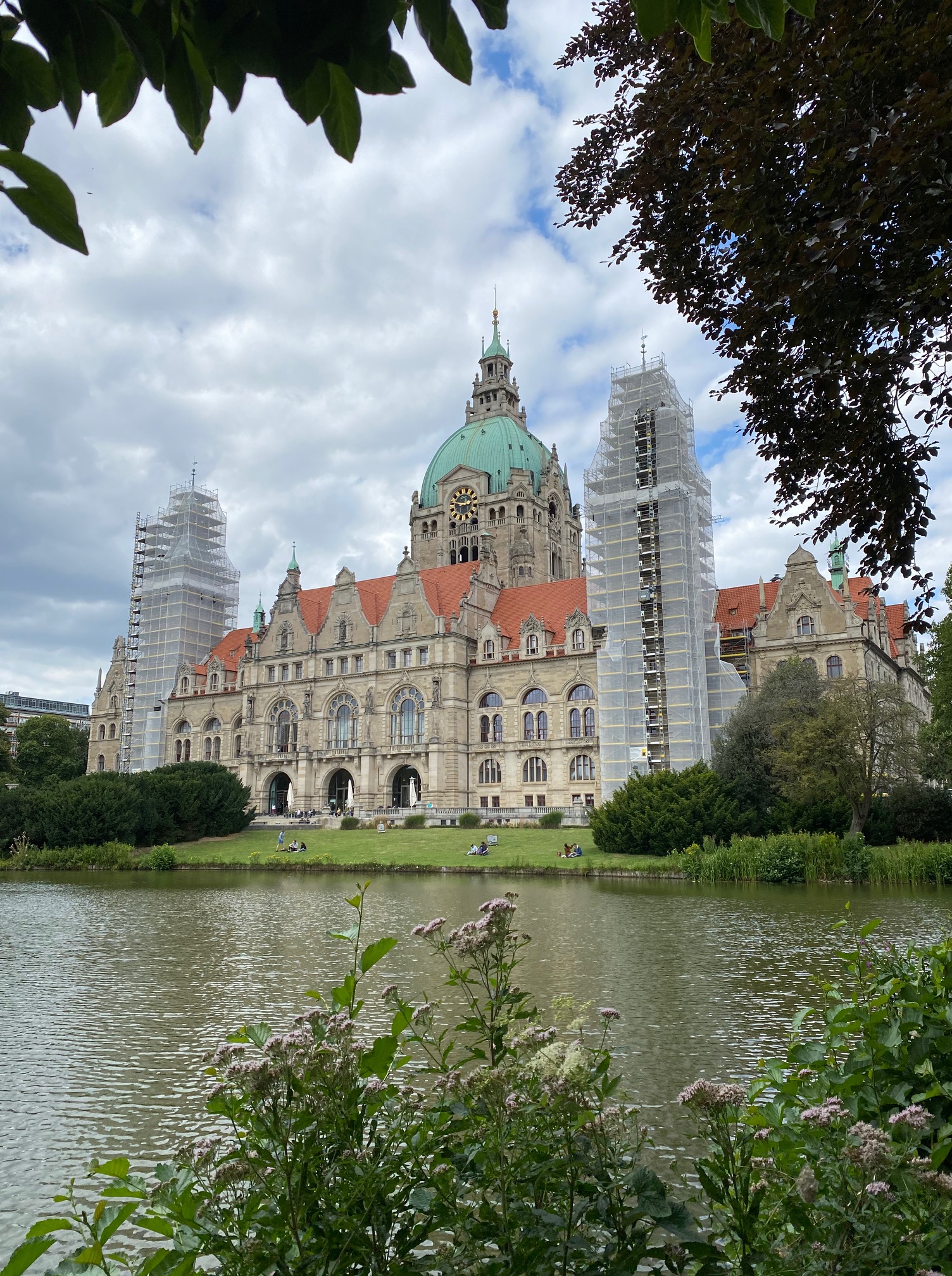
Today marks one year since Hannover became home. My Hannoversary.
Beyond its borders, Germany is perhaps best known for its penchant for order and its dark 20th century history. As an outsider coming in, I’ve come to know Germany for something more: a place that champions the common good.
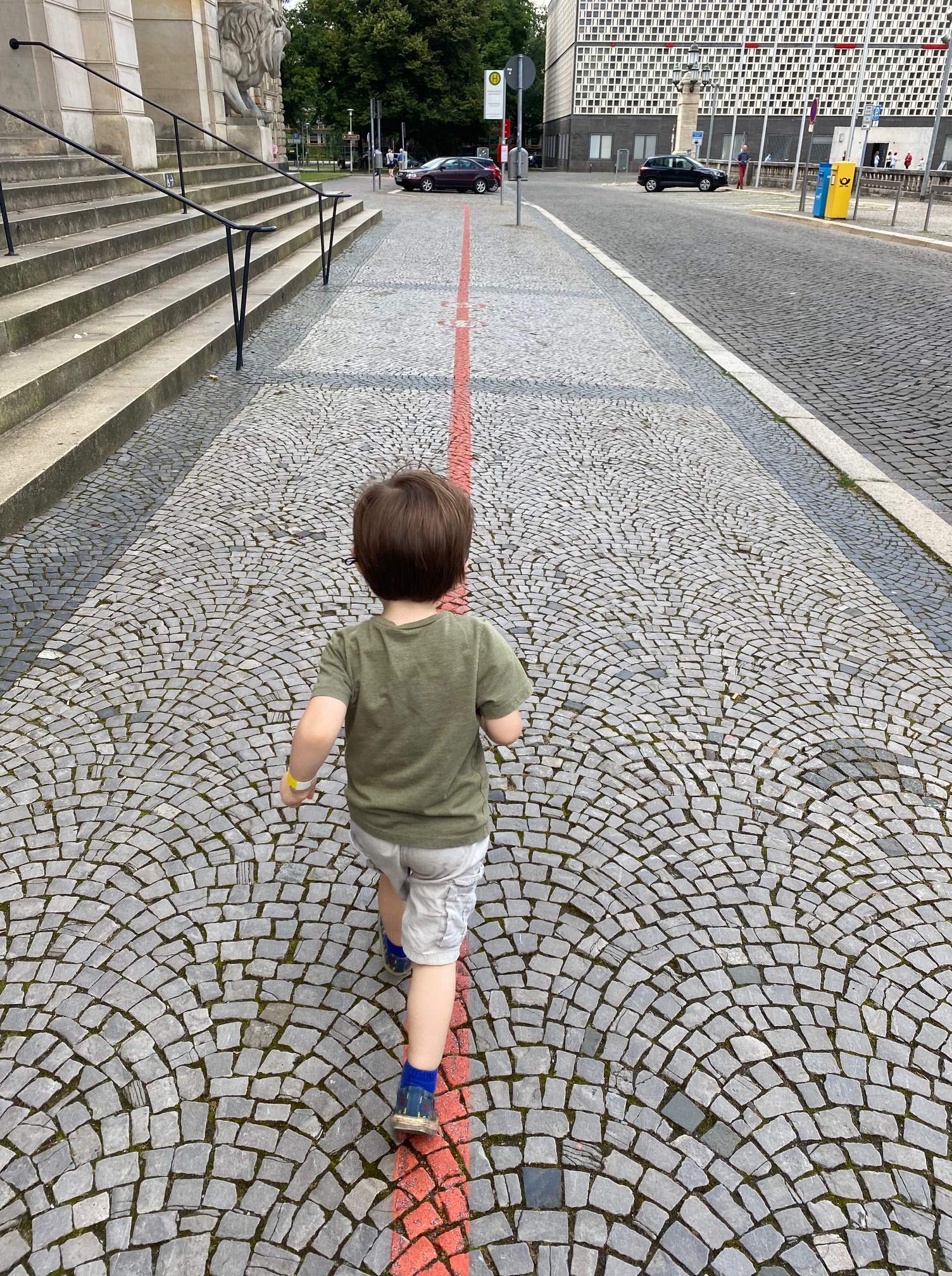
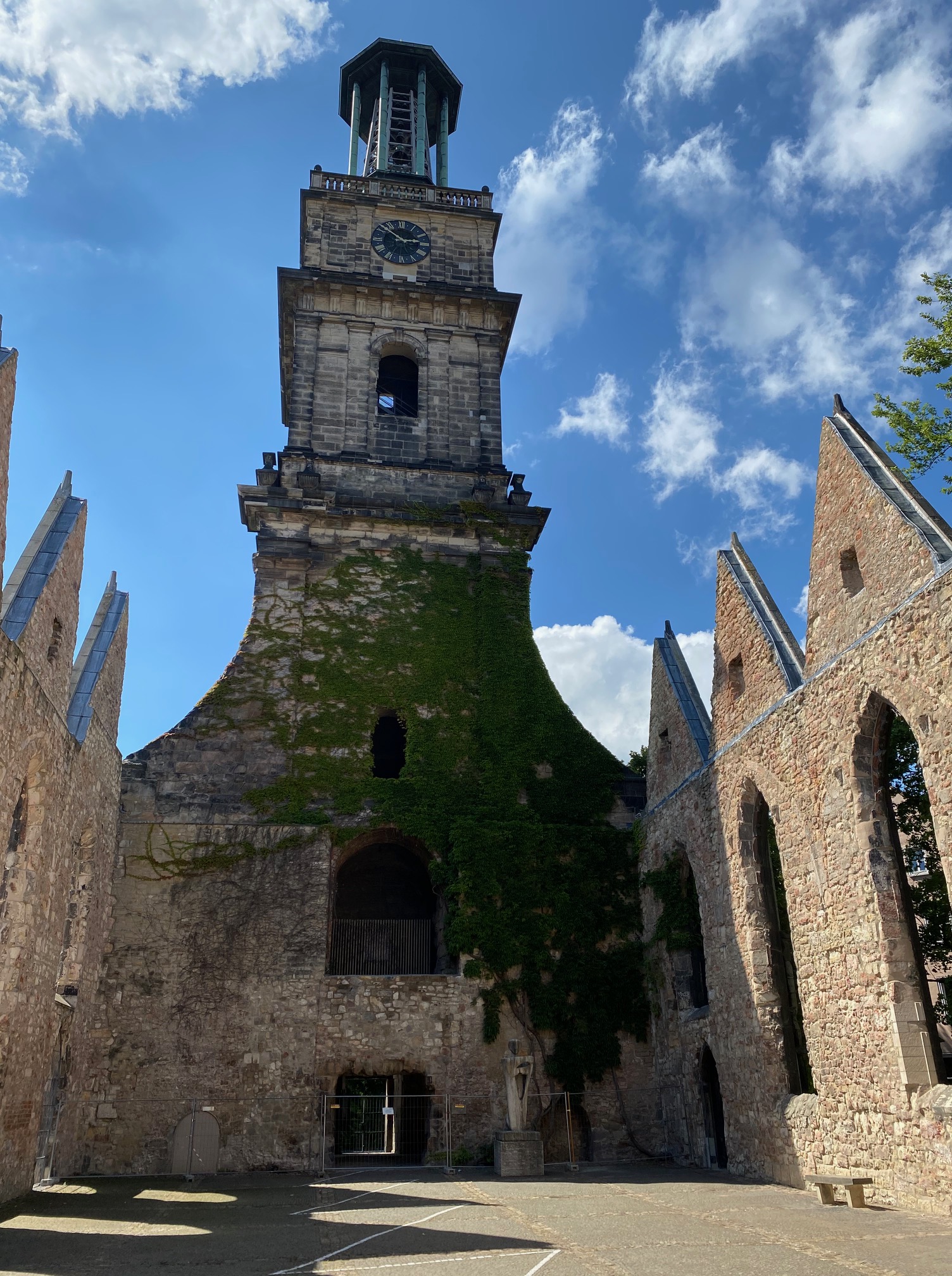
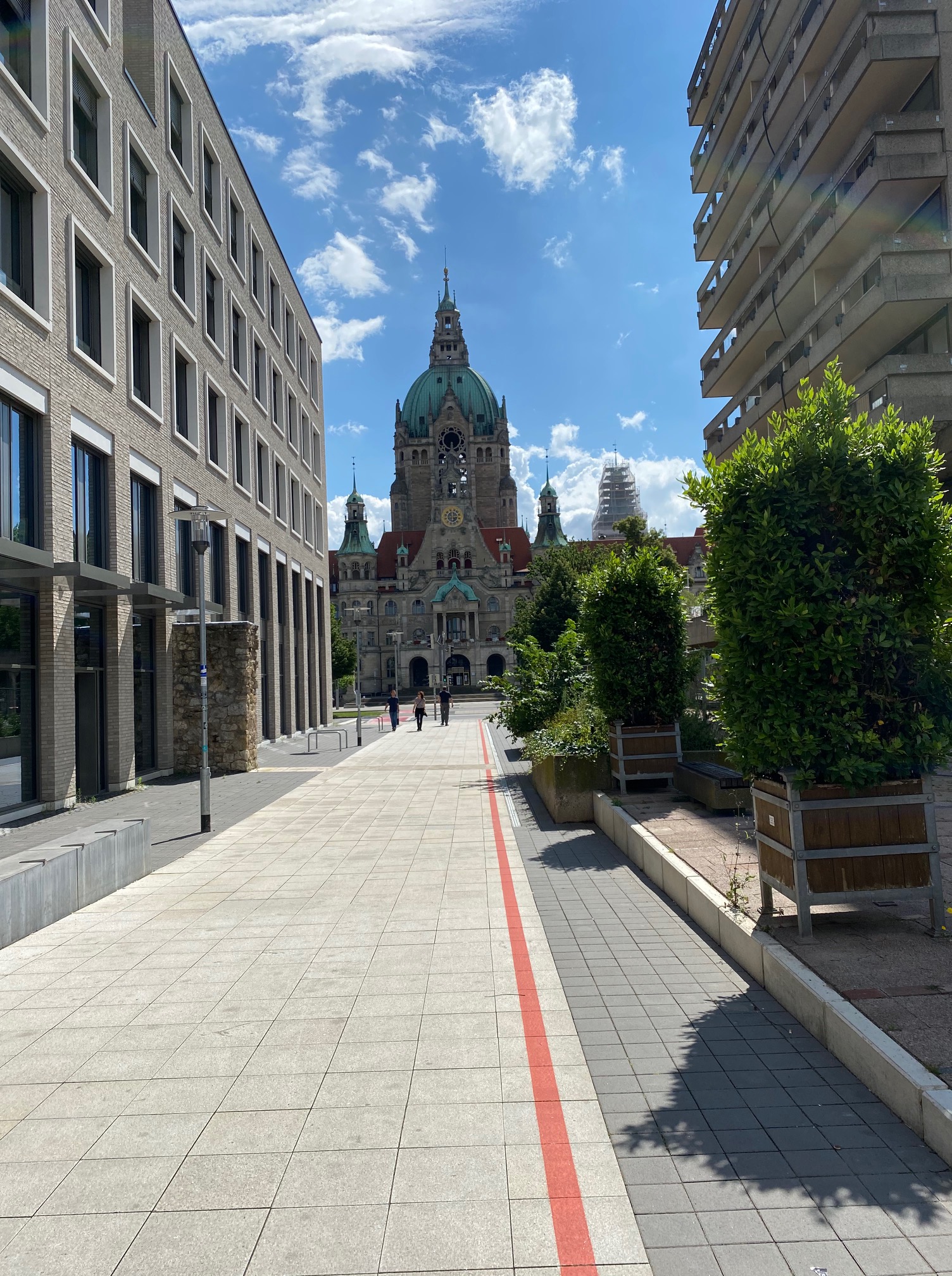
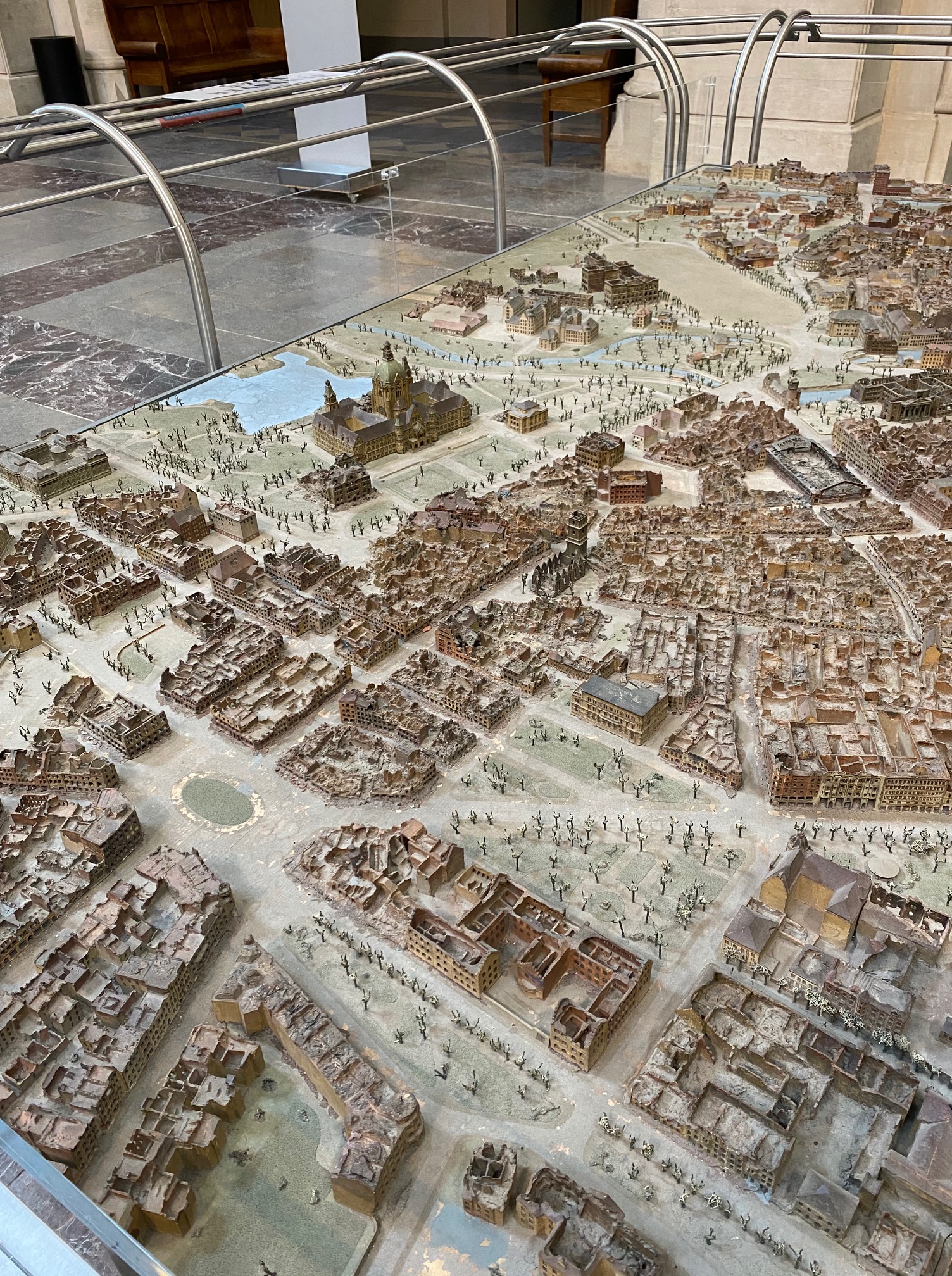
My family’s first days in Hannover consisted of the activity hybrid unique to being newcomers. We divided days between establishing order in the form of a bank account, residency, etc. and exploring the city as tourists. Following the Red Thread, we glimpsed Hannover’s World War II past via the Aegidienkirche – the “bombed out church,” as Camden calls it – and the Neue Rathaus (New Townhall), complete with its before and after 3D models of the city.
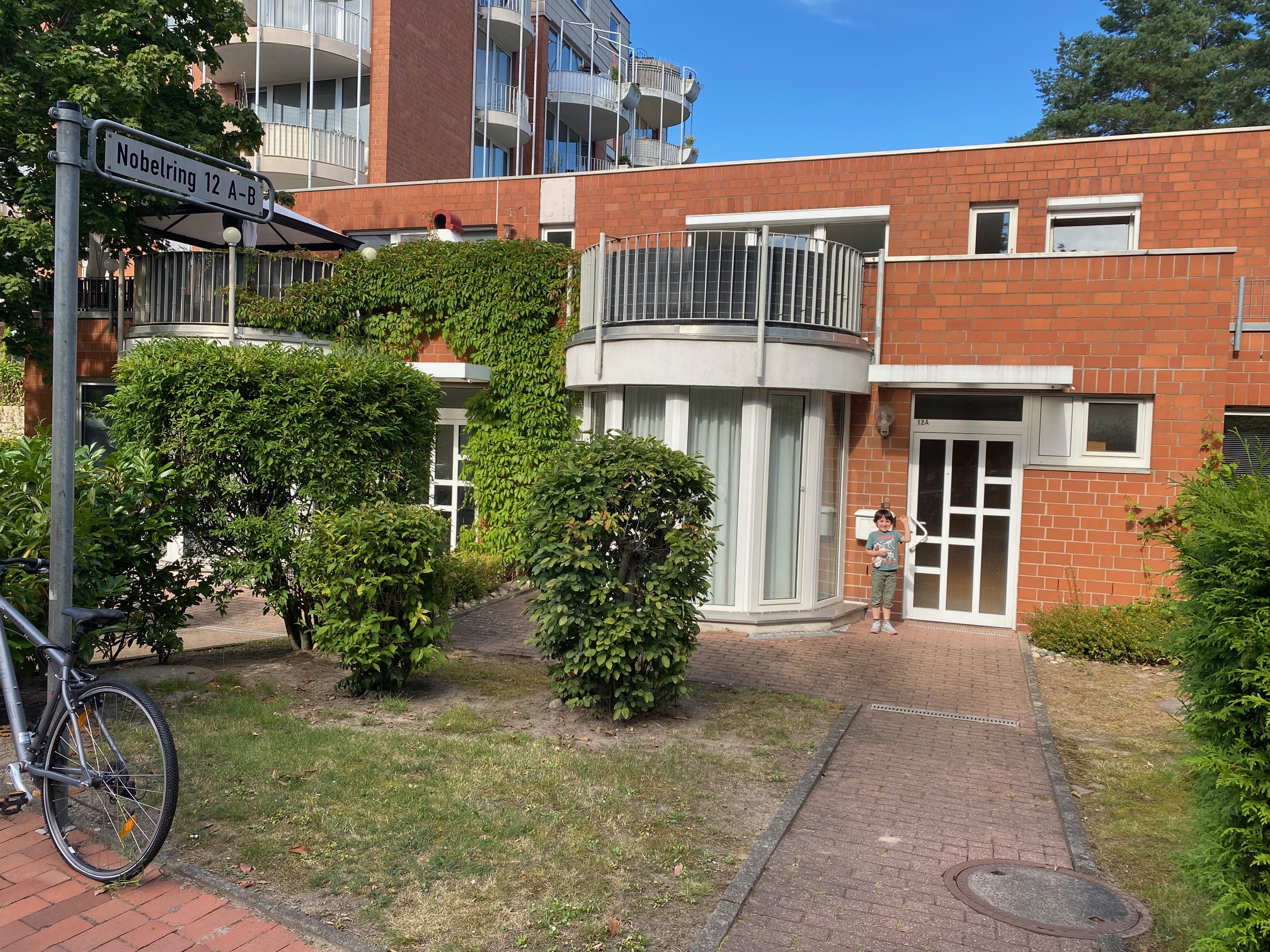
The boys and I continued our adventures throughout the summer afternoons while Dan delved into remote work. We spent unexpectedly warm evenings in our short-term rental in the Groß Buchholz neighbourhood. Dan worked in the makeshift office/bedroom, and the boys and I stuck (quite literally) to the pseudo-leather furniture in the living room as we played with Lego and read books.
Days into our adventure, the sweltering heat sent us on a mission to buy fans at a chain home goods store called Saturn. Minutes before closing time, the boys and I sat in the car – engine running, air conditioning on – while Dan dashed into Saturn to acquire a fan for each bedroom. He had just disappeared through the sliding doors when I was startled by a rap on the window and the incomprehensible sharp words of an older German woman. Her gesticulating communicated enough. She was not at all happy that the car was idling. The air conditioning’s benefit to the four of us within the car certainly did not outweigh the negative contribution we were making to global warming. While Dan was in Saturn, my concern needed to be Earth.
This common good mindset is everywhere:
On the Autobahn: In the event of a traffic jam, drivers in the outer lane automatically pull over as far as they can to create a makeshift lane for emergency vehicles.
In the bikes lanes: First of all, the mere existence of extensive bike lanes is amazing. They’re everywhere, and cyclists rule the roads. Instead of cyclists being wary of drivers, the opposite is true. Cycling is a way of life because it’s so much better – for our environment and our health.
At the crosswalks: Germans do not jaywalk (mostly). Why? Well, yes, it’s because of law and order, but it’s also because a child could be watching. It’s the responsibility of adults to model good behaviour for children. Imagine that.
In our bins: Light-weight, recyclable product packaging goes into yellow bags, Papiermüll (paper and cardboard) goes into blue bags, Bioabfall (compost) goes into brown bins, and Restmüll (any remaining refuse) goes into a black bag. Different bins are collected on different days, per the Abfallkalendar for each municipality. On every few streets stand large, domed, colour-coded bins for different coloured glass. In 2016, Germany reached its recycling goal four years earlier than predicted, giving it one of the highest recycling rates worldwide. The common good extends not only to the nation’s citizens, but beyond to the greater world.
At the doctor’s office: Universal healthcare. No explanation needed.
Dan and I chose Europe to bring the boys closer to a second language and take them further from gun violence. We moved to Germany with gratitude for the many travel opportunities and much more affordable college tuition in our future. We made this move for our individual needs; we’ve landed in a place where everyone else’s matter, too. This is the best lesson our children could learn.


You’ve chosen a wonderful place for your adventures
LikeLike